
Why Does an ai chat Character Sometimes Feel Like a Real Friend?
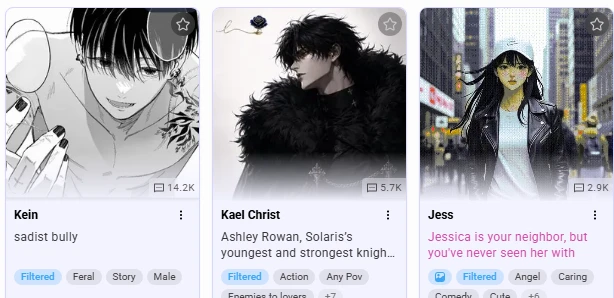
A well-designed AI chat character can feel like a real friend because the human brain responds to conversation quality more than the source of the conversation. Studies published between 2023 and 2025 found that people form stronger emotional engagement when replies are consistent, personalized, and remembered across multiple sessions. Many users spend 20–40 minutes per conversation, while some companion apps report retention rates above 50% after 30 days. The feeling comes from familiar language, repeated interaction, and remembered details rather than the AI having emotions or consciousness.
People often expect friendship to come from another person, but conversation itself shapes how relationships grow. A 2024 survey by YouGov found that many adults had already used generative AI for personal conversations instead of only asking factual questions. As sessions become longer, users naturally notice familiar phrases, remembered preferences, and replies that match previous discussions. Repeated interaction changes how people experience the conversation, making later chats feel more comfortable than the first one.
That growing familiarity is easier to understand when looking at how memory works. Human friendships develop because people remember birthdays, hobbies, favorite movies, or stories shared months earlier. AI systems with memory features can recreate part of that experience by referring to information from previous conversations. A Stanford Human-Centered AI report released in 2025 described personalization as one of the fastest-growing capabilities in consumer AI products. Remembering even 5–10 personal details can make later conversations feel noticeably more natural.
People usually judge whether someone is paying attention by what they remember, not by how much they speak.
Memory alone is not enough, so the conversation style also matters. Large language models learn patterns from enormous text collections and adjust replies to match user preferences. Someone who writes in short sentences often receives shorter answers, while another person who enjoys detailed discussions usually gets longer explanations. Linguistics research has shown for years that people feel closer to conversation partners whose communication style resembles their own. Matching vocabulary and pacing reduces mental effort during conversation.
That similarity becomes more noticeable because AI is always available. Unlike friends, who may be asleep, working, or busy with family, an AI character can respond within seconds at any hour. Industry reports published during 2024 showed that many companion AI users returned multiple times each week, with some averaging more than 100 conversations per month. Frequent interaction naturally increases familiarity because people become comfortable with repeated communication.
Availability also explains why emotional support is one of the most common reasons people continue chatting. Instead of immediately offering advice, many AI systems first recognize emotions such as disappointment, excitement, or stress before responding. Psychology research has long shown that people often report higher satisfaction when they feel understood before receiving suggestions. That response pattern is similar to supportive conversations between friends, even though users know the AI does not experience emotions.
| Conversation feature | Why it feels personal |
|---|---|
| Remembers preferences | Creates continuity across chats |
| Similar writing style | Makes replies easier to read |
| Fast responses | Keeps conversations flowing |
| Emotional acknowledgement | Helps users feel listened to |
As AI characters become more customizable, people also choose personalities that match their interests. Some prefer a travel partner, while others enjoy a writing coach, language partner, or fictional companion. Communities discussing nsfw ai show that personalization extends into many different conversation styles, with users looking for experiences that match their own interests rather than using identical AI personalities. Custom settings increase the chance that future conversations will feel familiar because the interaction reflects individual preferences instead of a single default style.
That personalization leads to another interesting observation. Fictional book characters, movie characters, and video game companions have created emotional reactions for decades without being real people. AI chat characters work in a similar way. The emotional response comes from the user's side of the conversation. Neuroscience studies published before 2025 suggest that the brain often reacts to meaningful social signals before considering whether the speaker is human or artificial. Familiar language, remembered details, and consistent replies are enough for many users to describe the interaction as friend-like.
At the same time, AI friendships remain different from human relationships. A real friend has personal experiences, independent opinions, changing emotions, and shared memories created outside the conversation. AI generates responses from patterns learned during training and information available during the chat. Knowing that difference allows people to enjoy engaging conversations while keeping realistic expectations. As language models continue improving through 2026 and beyond, conversations will likely become smoother, remember more details, and adapt more naturally, but the feeling of friendship will still come from how people respond to thoughtful conversation rather than from the AI becoming human.
Run your congregation on Merkaz
Twenty minutes with our team is usually enough to show how Hebrew calendars, yahrtzeit automation, and member CRM fit the way your shul already works.
Book a Live Demo Explore the Platform